Injury Recovery · 7 min read
5 Signs Your Injury Isn't Healing the Normal Way
If it's been six weeks and you're still favouring it, your body might not be repairing the way it should — here's what changes that.
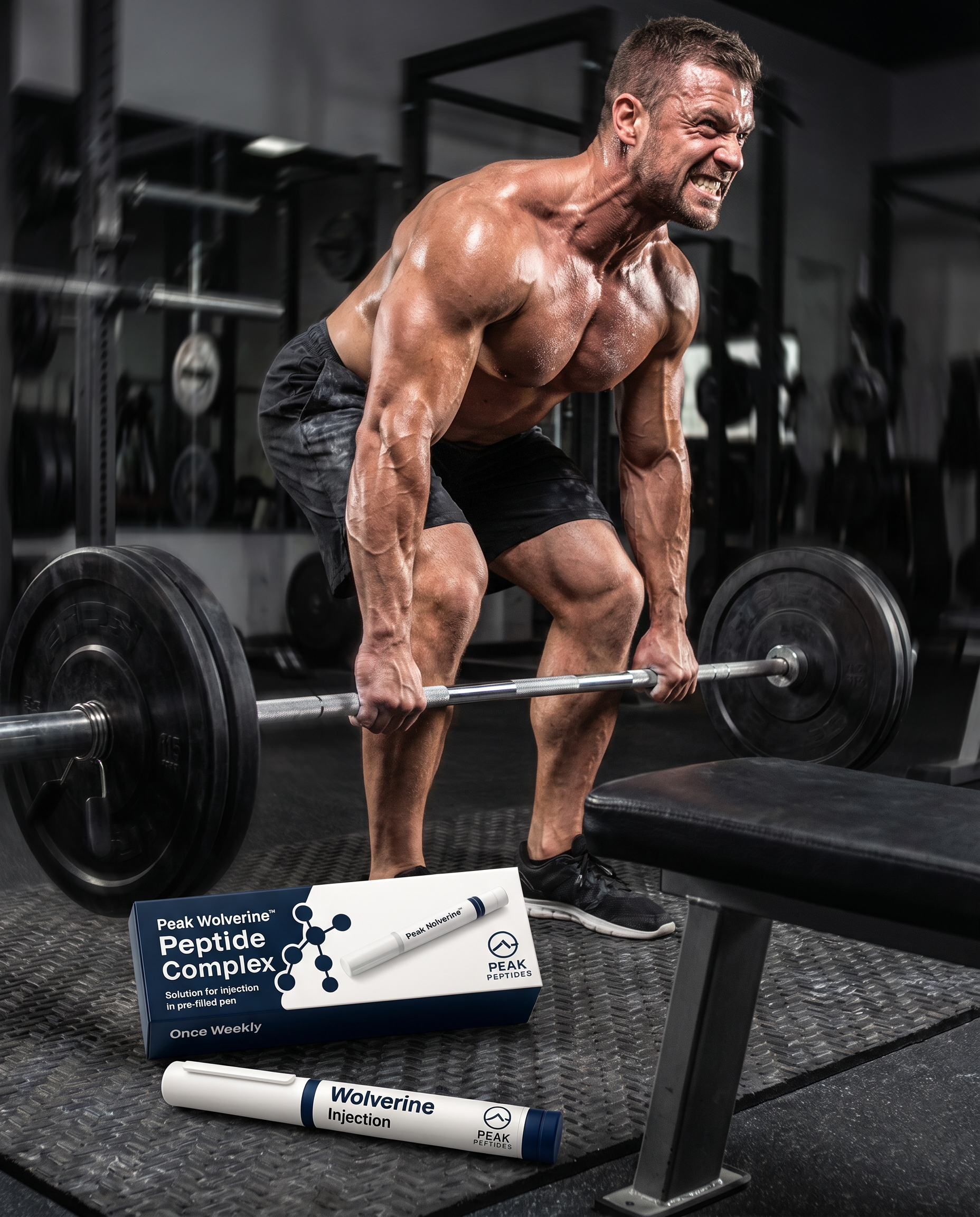
If it's been six weeks and you're still favouring it, your body might not be repairing the way it should — here's what changes that.
Most soft-tissue injuries follow a predictable timeline. When yours doesn't, something in the repair process has stalled — not you, the biology.
We asked recovering athletes what they wish they'd known sooner. Five patterns kept coming up. If two or more sound familiar, keep reading — the fix isn't more rest.
Normal soft-tissue repair shows steady week-on-week improvement. If yours flattened out around week 4-6 and stopped moving, the repair signalling has likely stalled before finishing the job — a common but under-discussed stage in tendon and joint injuries.
You can load it again but it still feels "off" under stress — that's the tendon and connective tissue lagging behind the muscle's recovery. Muscle rebuilds fast; tendon and ligament tissue rebuilds slow, and standard rehab often doesn't specifically target that gap.
If ibuprofen or diclofenac used to knock the pain back and now barely touches it, that's a sign the issue has shifted from acute inflammation to a stalled structural repair — which anti-inflammatories were never built to fix.
Rather than masking pain, the compounded formula supports the body's own tendon-fibroblast repair activity directly — encouraging the structural rebuild that stalled-out injuries are missing. Independent recovery research points to a 4–8 week window for measurable tendon and joint repair with consistent use. Most people notice pain reduction and improved mobility within 7–10 days.
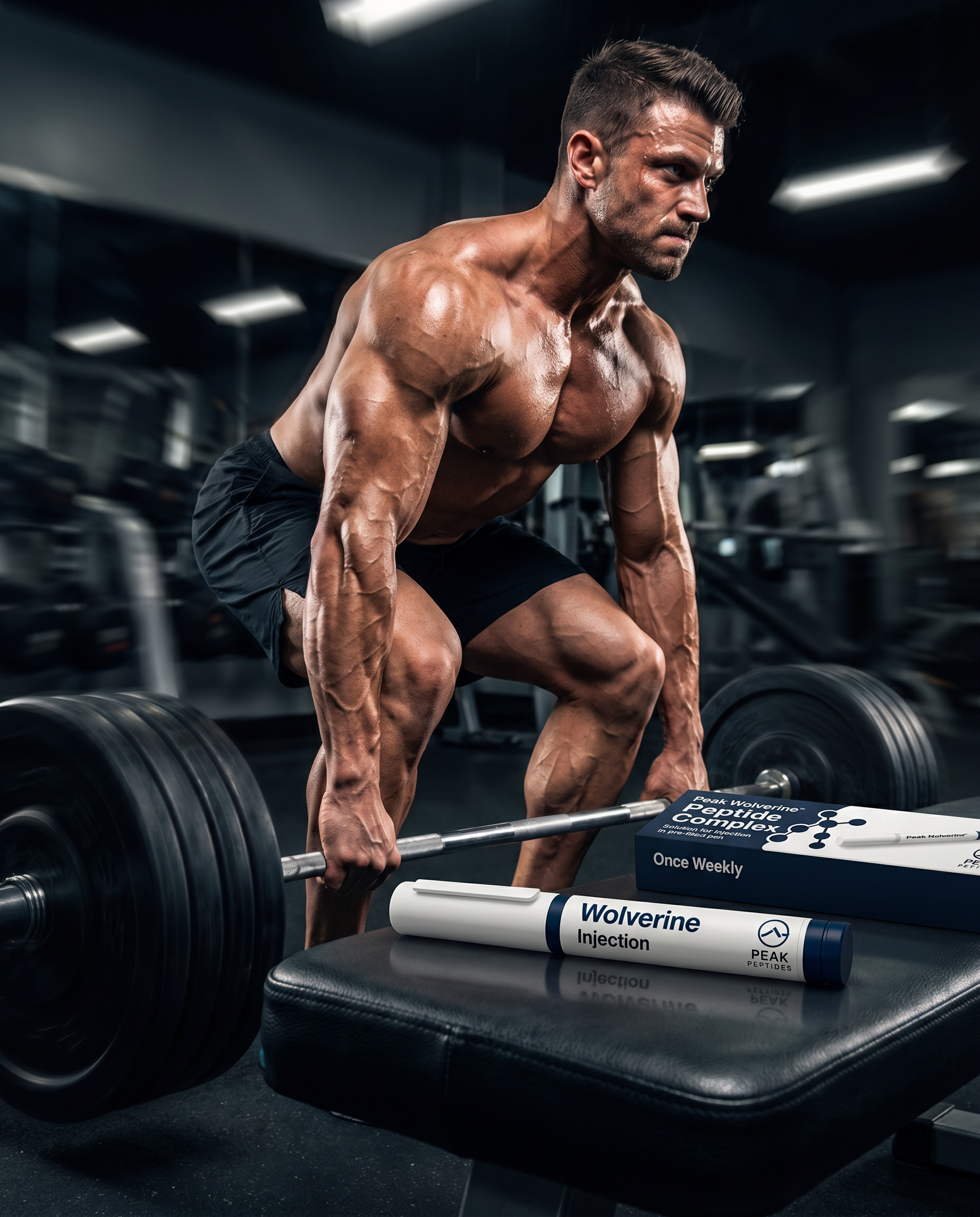
Chronic low-grade repair stress disrupts sleep quality — a signal the body is still working overtime on a job it hasn't finished. People on the recovery protocol consistently report sleep normalising alongside the physical improvement, not after it.
The clearest sign. Once you're structuring your day around NOT loading the injured joint, the body has adapted to the injury rather than repairing past it — and that adaptation gets harder to reverse the longer it sits.
"Torn ACL rehab, 5 months in with barely any progress. Six weeks on this and my physio actually asked what changed."
"Tennis elbow that wouldn't quit for a year. Not instant, but real progress by week four."
"Was ready to book surgery for my Achilles. Held off, tried this first. Glad I did."
Yes. It's compounded by a licensed Australian pharmacy and supplied via a telehealth consult, the same regulatory pathway used for other compounded prescription therapies.
Physio and rehab exercises address mechanics and strength. This works at the tissue-repair level, targeting the structural side that exercise alone can't accelerate.
Most people report change within 7–10 days, with fuller results across a 4–8 week course.
Not a banned substance under WADA's out-of-competition framework for general training use — if you compete under a testing body, check your federation's current list first.
30-day guarantee — if you don't notice a difference, we refund it.